





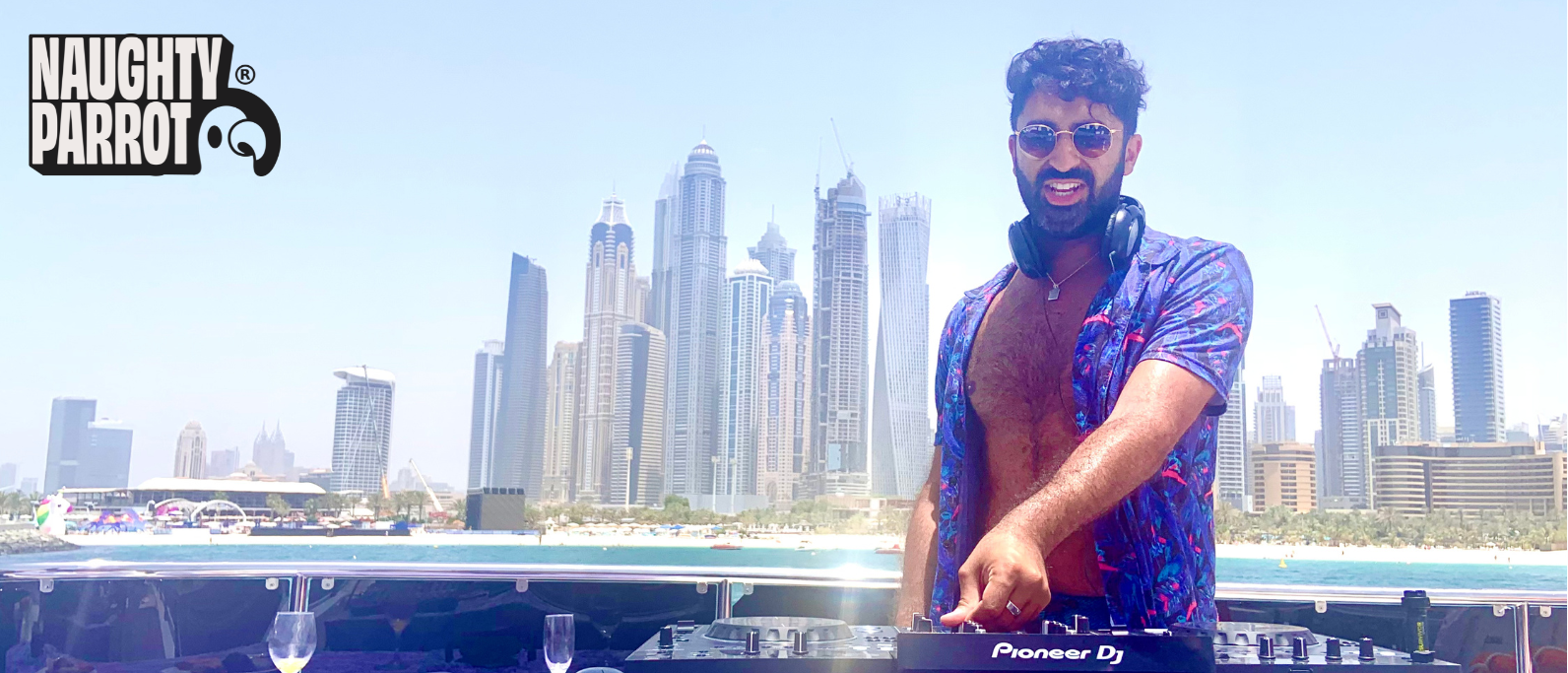
Your music. A new city. A dancefloor you’ve never played before.
Your first international DJ gig is something to get excited about. Whether it’s a small community showcase, a café session or a club night during a major music week, it’s a chance to share your sound, meet people and experience a different scene.
But before you start packing your favourite tunes, there are a few things worth sorting.
Playing abroad involves more than booking a flight and throwing a USB in your bag. Here’s a practical DJ preparation checklist to help you arrive organised, confident and ready to enjoy the opportunity.
An invitation to play is exciting. An invitation with clear details is even better.
Before booking travel, get the essentials confirmed in writing:
Ask whether the lineup is confirmed or whether you’re still being considered. Being shortlisted is not the same as having a booking.
If the show is connected to a larger festival, clarify the relationship too. An event taking place during a festival week is not automatically an official festival event, and a booking does not necessarily include access to other shows.
A few clear questions now can prevent a lot of awkward assumptions later.
A reasonably priced flight can become a much more expensive weekend once everything else is included.
Build a simple budget covering:
Be clear about what you can afford before committing.
An unpaid showcase might still be an opportunity you want to take, especially if you’re already visiting the city. But it should be a conscious decision, not one based on an assumption that the organiser will cover costs later.
Ask what any promised promotion or content actually includes. Will someone photograph your set? Will you receive footage? When, and in what format?
“Great exposure” is not a travel budget. Understand the offer and decide whether it works for you.
This is the part to sort before you book, not at the departure gate.
Being allowed to enter a country as a visitor does not automatically mean you’re allowed to perform there. Requirements can depend on your nationality, destination, length of stay and the nature of the engagement.
UK government guidance recommends checking each destination’s immigration rules before travelling to work, perform or tour. Some countries offer exemptions for certain short-term activities, but those exemptions have conditions. Official guidance for musicians performing in Europe.
Don’t assume an unpaid set removes the need to check.
Ask the organiser what arrangements apply, then verify them with the destination’s official authorities or an appropriately qualified adviser. Keep relevant booking confirmations and documents accessible.
For British citizens heading to Amsterdam, the Netherlands travel advice specifically distinguishes visitor entry from working requirements. Check the current passport and entry rules before travelling. Netherlands entry requirements.
This is a preparation guide, not individual immigration or legal advice.
“I’ll bring my USB” is only useful if the equipment can read it.
Ask for the actual player and mixer models, rather than just “Pioneer decks” or “a standard setup”.
Find out:
Check the manufacturer’s documentation for supported file formats, USB preparation and compatibility with your export software.
If possible, test your music on the same equipment model beforehand.
The aim isn’t to demand your dream setup. It’s to avoid discovering a compatibility problem while another DJ is waiting to hand over.
Bring more than one copy of your music.
A sensible starting point is two independently prepared USB drives, each checked after export. Keep a separate backup of your library somewhere secure.
A cloud copy can be useful, but don’t make venue Wi-Fi your emergency plan. You may not have the time, connection or equipment needed to download and prepare everything.
Before leaving:
If you’re travelling with controllers, instruments or other professional equipment, check the destination’s customs requirements. Requirements vary, so don’t assume every item can be treated as ordinary holiday luggage. Official guidance on travelling with musical equipment.
It’s your first set abroad. Naturally, you want to make an impression.
But making an impression doesn’t always mean playing your biggest tracks in the first ten minutes.
Ask about the audience, the event’s sound and where your slot sits in the lineup. A daytime coffee session and a late-night club set can call for very different approaches.
Prepare enough music to adapt:
Have a plan without becoming trapped by it. Listening to the room is still part of the job.
At Naughty Parrot, the point is connection: your music, the people in front of you and the wider experience everyone is creating together.
Build breathing room into your journey.
A flight landing shortly before your set might look efficient on paper. It leaves very little space for a delay, a missed connection or a queue.
Plan your route from the airport or station to your accommodation and venue. Save the addresses, booking details and organiser’s number so you can access them offline.
Confirm set times in the venue’s local time, especially if the trip falls near a clock change.
Check your phone’s roaming arrangements, charging needs and how you’ll get back after the event. Also confirm that your insurance covers the activities and equipment involved, rather than assuming a standard holiday policy does.
The less you’re scrambling on arrival, the more attention you can give to the music.
The set matters. So does everything around it.
Arrive when agreed. Introduce yourself. Be considerate to the venue team, sound engineer and other performers.
Before a changeover, speak to the outgoing DJ and check what you can safely touch. Don’t unplug equipment or change the setup without knowing what it does.
Respect your finish time. Give the next performer the same straightforward handover you’d appreciate yourself.
You don’t need to work the room like a sales conference. Be interested, be helpful and have normal conversations.
A good experience gives people a reason to want you back.
A new city full of music can make every invitation feel unmissable.
Choose the experiences that matter most to you, and leave space to eat, rest and arrive ready for your own set.
That’s Party with Balance in practice. You can love a dancefloor without needing to be the last person standing at every event.
Your trip should be enjoyable, not an endurance test with a DJ slot somewhere in the middle.
Once you’re home, send a genuine thank-you to the organiser and anyone who helped you.
If content was agreed, ask about the delivery timeline politely. When sharing photos or footage, credit the people involved and check any usage restrictions.
A filmed set containing other artists’ music can raise separate rights questions. Permission to perform at the event is not automatically permission to upload the recording everywhere.
Keep in touch with people you genuinely connected with. You don’t need to turn every introduction into an immediate booking request.
For more practical advice on building those relationships, read our guide to getting your first ten DJ bookings without spamming everyone.
Before leaving, make sure you have:
Your first DJ gig abroad doesn’t have to be a huge headline booking to matter.
It can be the start of new friendships, a different perspective and a stronger connection to the music community beyond your own city.
Prepare properly. Be good to work with. Then enjoy the moment.
Be Bold. Dance Free.
Want to see what Naughty Parrot has coming up? Explore our events page and keep an eye out for opportunities to get involved.
